


Estás suscrito a Chefbook
Barra libre de artículos de viajes
SUSCRÍBETE a Chefbook por 2,99€/semana
IVA incluido y no te pierdas nada.
Minecraft: how to trade with Piglins and is it worth it?
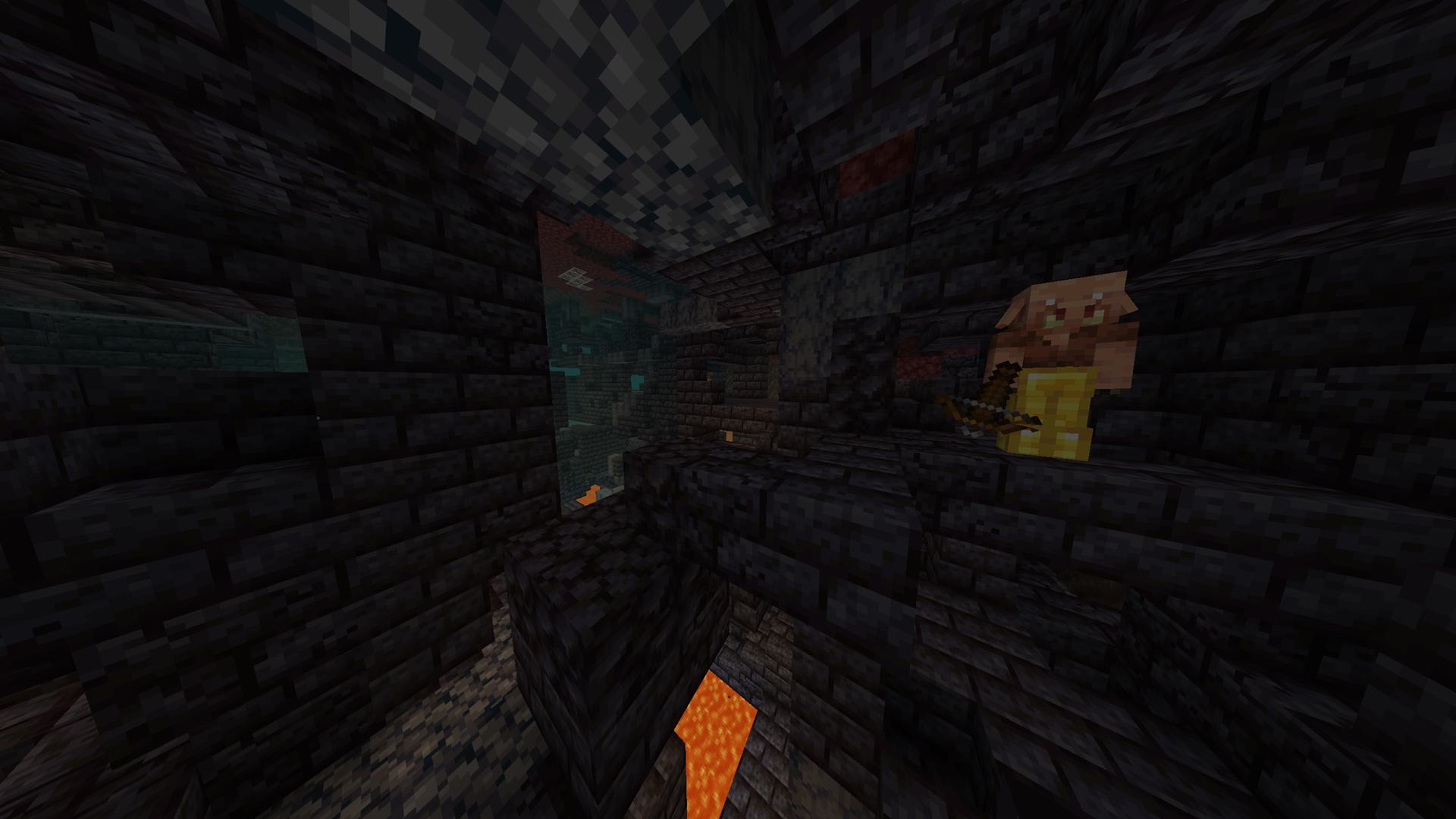
To trade, it’s very simple. You need to be in the Nether, find a regular adult Piglin, and have gold ingots on you. Be careful: Piglin Brutes and zombified Piglins don’t work. Also make sure to wear at least one piece of gold armor, otherwise they’ll aggro instantly and the whole thing turns into chaos.
Once you’re in front of them, you have two options. You can either drop a gold ingot on the ground or right-click the Piglin while holding the ingot. It’ll inspect it for a few seconds, then throw you one or several items, randomly chosen from its loot table. It’s fast, straightforward, and you can chain trades as long as you have gold.
On the reward side, you can get a lot of useful stuff. Piglins usually give gravel, string, obsidian, Nether quartz, fire resistance potions, Ender pearls, sometimes Soul Speed boots, spectral arrows, and various Nether blocks. But not everything has the same value. Some items drop very often, while pearls and enchantments are rare and never guaranteed.
Where the system really shines is when you have a large gold supply. A gold farm or a good mining spot lets you trade almost for free. Many players even automate the whole thing with a bartering farm, where a trapped Piglin receives a gold ingot every few seconds while a system collects the loot underneath. At that point, bartering turns into a full-on resource factory.
Early in survival, trading is absolutely worth it to secure your progression. A few stacks of gold ingots are enough to get lava-proof potions, Ender pearls to push toward the End, and quartz for redstone. You save time, take fewer risks, and explore the Nether much more comfortably.

