


Estás suscrito a Chefbook
Barra libre de artículos de viajes
SUSCRÍBETE a Chefbook por 2,99€/semana
IVA incluido y no te pierdas nada.
FC 26 Ultimate Team: the tactics that dominate the current meta
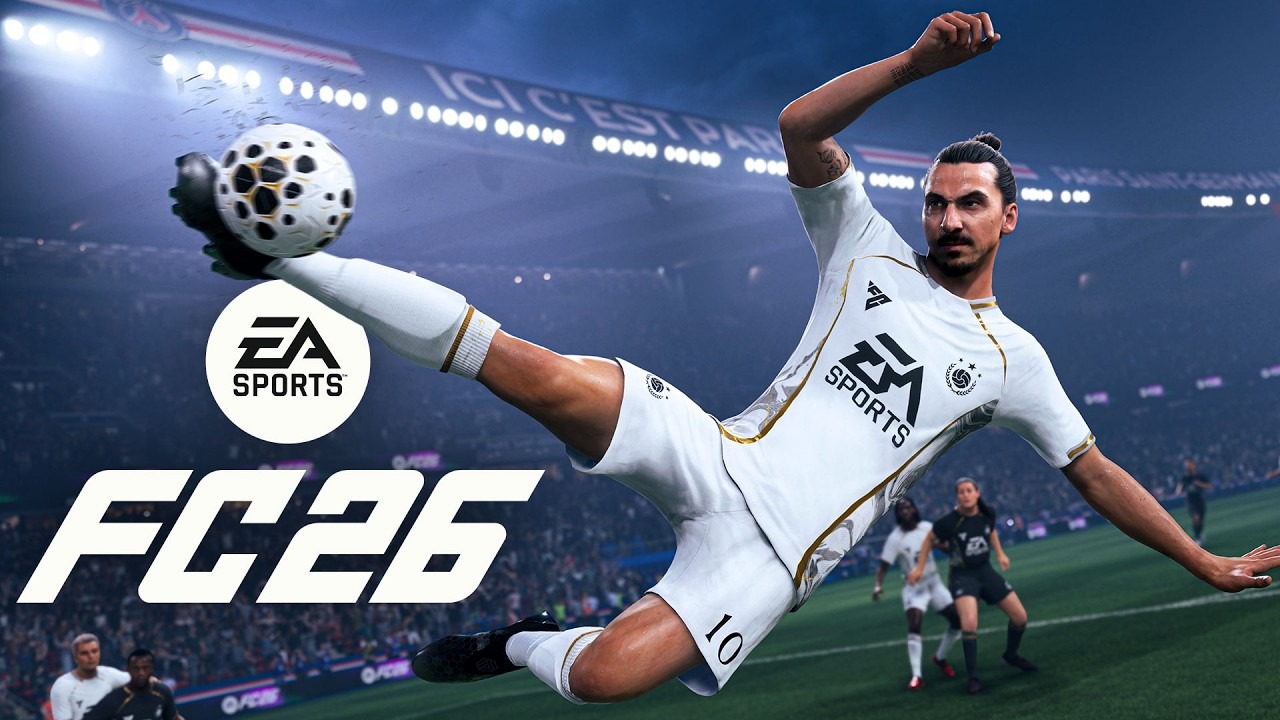
In EA Sports FC 26 Ultimate Team, certain tactics and playstyles are clearly standing out right now. Understanding them allows you to anticipate opponents, adapt your squad, and win more matches.
One of the most common top-tier setups is the 4-3-3 with intense pressing, using Press After Possession Loss (PAPL) and a high defensive line. This approach helps you win the ball back quickly and creates a huge number of chances through constant pressure. To counter it, play long. Use long build-up passes toward your wingers or a target striker. Forcing the opponent’s press to break opens up space behind their defensive line.
Another very strong style at the moment, especially late in the cycle, is the 4-2-3-1 with slow, controlled possession. This setup slows the tempo, protects the ball, and waits for the opponent to overcommit before playing a vertical pass. To counter it, apply targeted pressure on their attacking midfielders. A well-executed trap press in the middle third disrupts their rhythm and allows you to win the ball higher up the pitch.
In custom tactics, the low width + short passing + lure press combo is extremely effective against teams that want to play direct. It keeps your team compact in the center, limits gaps, and forces the opponent to play wide. To neutralize this style, increase your width and look to switch play to the wings. Going against the central-heavy trend by stretching the pitch creates space for your wingers and dangerous crossing opportunities.
Defensively, Drop Back combined with Conservative Interceptions is a style many players use to absorb pressure and counter quickly. Against this approach, keep possession, circulate the ball, then play diagonal passes in behind the defensive line. It suffers less under pressure but becomes vulnerable when it has to reorganize.
Finally, aggressive counter-attacking styles with fast build-up can catch you off guard, but they often leave gaps in defensive transition. To counter them, create planned overlaps with your midfielders, wait for them to commit, then exploit the space they leave behind.

